WELCOME TO EXPERT WITNESS ORAL SURGERY
Dr. Kotikian.
Dr. Kotikian board certified Oral and Maxillofacial Surgeon, has dedicated his professional career to oral health.
WELCOME TO EXPERT WITNESS ORAL SURGERY
Dr. Kotikian board certified Oral and Maxillofacial Surgeon, has dedicated his professional career to oral health.
Call Us
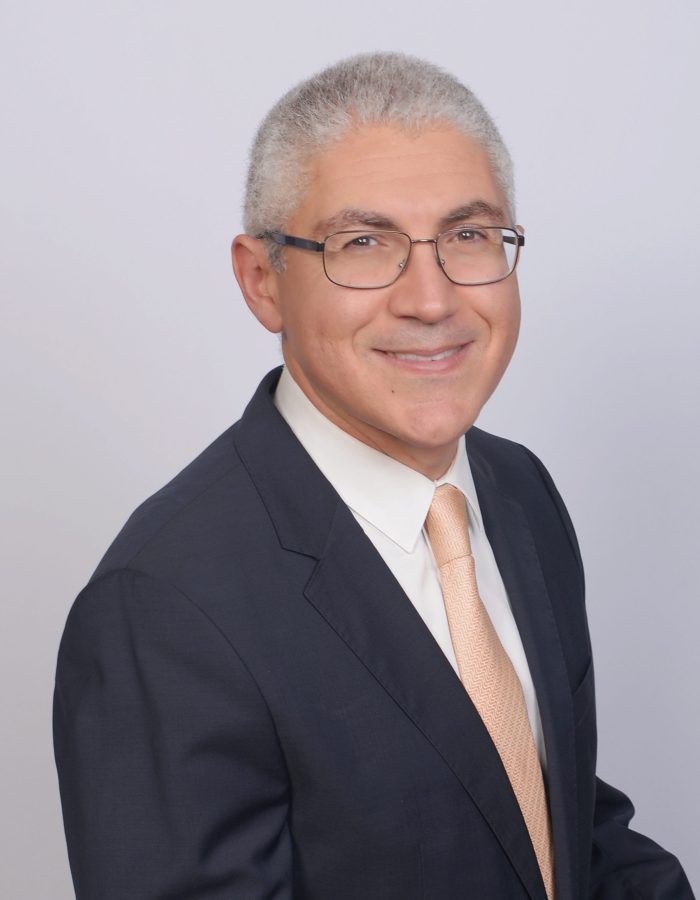
Oral & Maxillofacial Surgeon
Diplomate, American Board of Oral and Maxillofacial Surgery
Fellow, American Board of Oral and Maxillofacial Surgeons
Fellow, American College of Surgeons (FACS)
Fellow, Oral and Facial Surgeons of California
Assistant Professor at USC, Department of Oral and Maxillofacial Surgery
SERVICES
ABOUT DR. KOTIKIAN
Dr. Kotikian has dedicated his professional career to oral health. A board certified oral and maxillofacial surgeon, Dr. Kotikian has expertise in a variety of areas including complications associated with extraction of teeth, dental implants, oral and maxillofacial infections, temporomandibular joint (TMJ) disorder, nerve injuries, oral pathology/oncology, facial trauma (including all facial fractures and lacerations), dental anesthesia complications, dental malpractice, dental law, case evaluations, case reviews, court testimony, and depositions.
Dr. Kotikian has been retained as an expert witness on close to 100 cases, retained 250 times, given 90 depositions, has 16 years of private practice experience, and has done arbitration for a wide variety of cases associated with the oral and maxillofacial region and dentistry. Dr. Kotikian’s has experience as a witness for both defense and plaintiff sides.
Dr. Kotikian lectures at the national and international level on a regular basis. He has been featured on CNN Headline News, ABC News, CBS/KCAL News, The Diane Sawyer Nightly News and have been featured in many newspapers (LA Times, Chicago Tribune…) for work that he has done in the field of Oral and Maxillofacial Surgery.
Dr. Kotikian is highly experienced in helping legal professionals in evaluating and determining whether dental malpractice has been committed, and is available to assist in preparation and presentation of the dental malpractice cases. He has eight years of private practice practice as an Oral and Maxillofacial Surgeon and over six years of experience as an expert witness in the field of oral and maxillofacial surgery and dentistry make Dr. Kotikian eminently qualified as a highly suitable for a variety of dental malpractice cases. For a detailed outline of Dr. Kotikian’s experience and qualifications, please see the Curriculum Vitae page.
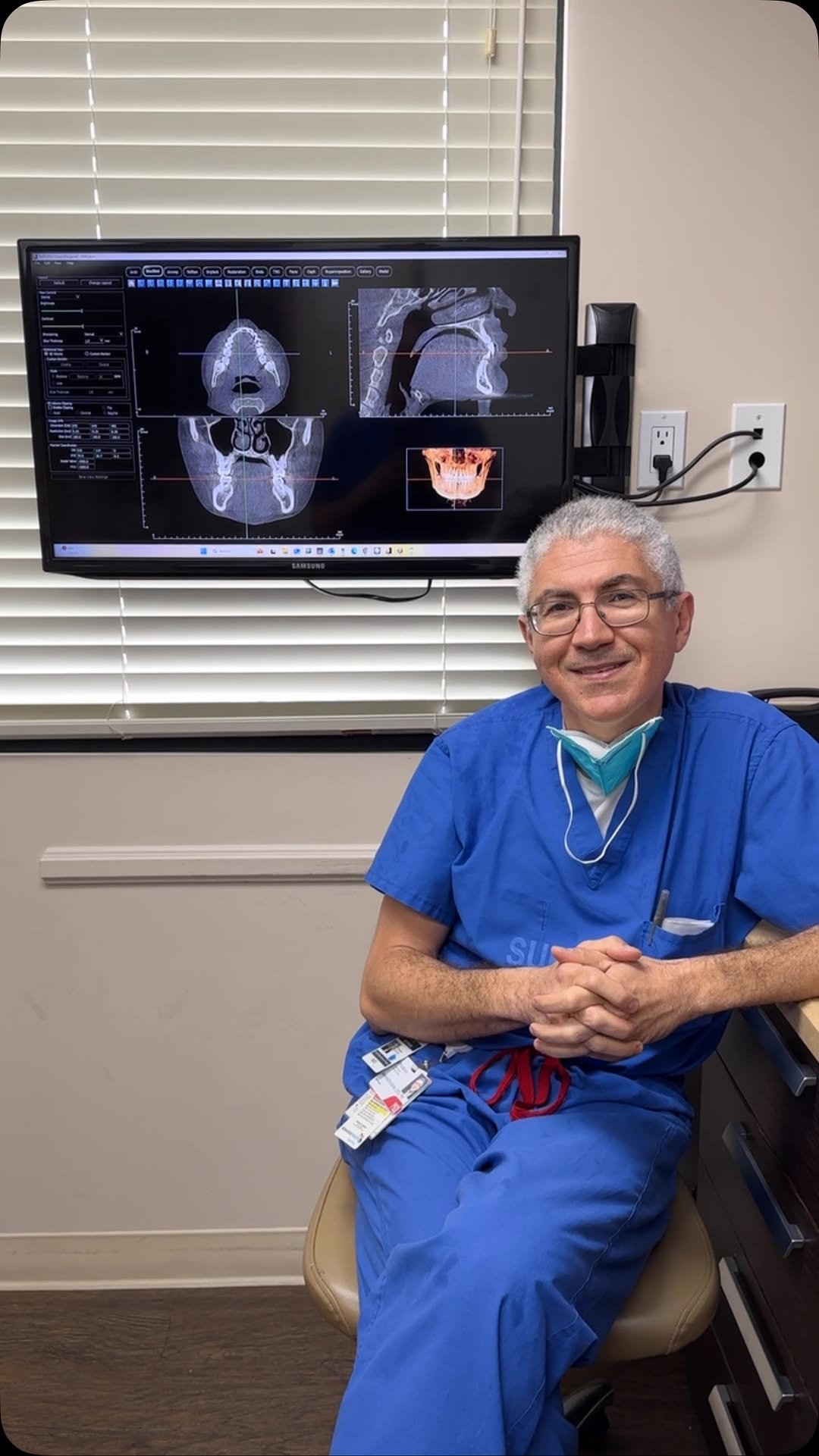
Dr. Kotikian provides a free initial consultation to help evaluate the viability of the case, and familiarize himself with the details of the questions at hand. The initial consultation also helps familiarize clients with his personal touch which he brings to any engagement, and his deep understanding of not only medicine and in particular oral and maxillofacial health but also an acute understanding of legal requirements.
Tracy: Welcome to Charter Local Edition. I’m Tracy Young.
Every year, approximately 3.5 million children incur a facial injury related to a sports activity. Joining us to talk about how you can help your children prevent any facial injuries is Dr. Armond Kotikian. He’s an oral and maxillofacial surgeon in the San Gabriel Valley. Let’s talk about this, Doctor.
Dr. Armond: Thank you. Thanks for inviting me.
Tracy: When you think about 3.5 million kids — unfortunately, kids can be kind of mean. When we have those kinds of injuries, I’m one who suffered one of those. Kids are not particularly kind to other children, are they?
Dr. Armond: True. No, not at all.
Tracy: So let’s start with — first of all, let’s start with the eyes. We only get two eyes, and that’s it.
Dr. Armond: That’s right.
Tracy: There’s lots of things that you can replace and fix, but if you hurt your eyes, that is a lifelong something that you suffer.
Dr. Armond: That’s right.
Tracy: I mean, look at these glasses. I’m going to go ahead and just put them on. Okay, let’s see how cool I can look with these. Okay. Why is it important that we have glasses like this? I notice they’re long. They completely cover. Why should we be wearing glasses like this?
Dr. Armond: They protect the eye in itself as far as causing an injury. It can even cause blindness, so it actually acts as a cushion. So it prevents that. It prevents any cuts that may occur to the region around the eye and also can actually prevent fractures of the bony structure in the orbit.
Tracy: Yeah, because I’m looking at what you have in here. There’s an area—it’s hard to see on camera—but there’s a compression, sort of cushion, that goes right there. And you’ve got a cushion right here.
Dr. Armond: Definitely.
Tracy: Okay. So this is really important to protect the kid’s eyes.
Dr. Armond: Definitely, especially like racquetball or any high-velocity sport, it’s highly recommended.
Tracy: Okay, okay. I recognize these. I used to grind my teeth. But that’s not what this is for.
Dr. Armond: Correct.
Tracy: This is actually for what? It’s a mouthguard.
Dr. Armond: Mouthguard, that’s correct.
Tracy: Okay.
Dr. Armond: So mouth guards are recommended in any type of contact sports because what they do, they act as a cushion and they prevent injuries to the teeth, the lips, or even jaw fractures. But just by wearing mouth guards, studies have shown that we’ve prevented 200,000 injuries annually. If a mouth guard is not worn, you increase your chance of oral and facial injuries by 60 times.
Tracy: Oh my gosh. Right.
Dr. Armond: Right.
Tracy: All right. I can imagine, just because this is plastic, so the cushion that you have so if you’re hit or you’re pounced or something.
Dr. Armond: Right.
Tracy: Okay. This lovely thing, this helmet. You know, I know sometimes these don’t really look really great on, okay? And people tend to say, “I don’t really want to wear one.” But not wearing one and thinking that you don’t look great is really not an answer to the fact that if you have a head injury —
Dr. Armond: Right …
Tracy: — what could happen to you for the rest of your life is really traumatic.
Dr. Armond: That’s correct. So the helmets in itself, especially if they cover the ears, they can prevent skull fractures, prevent any type of bleeding in the brain, a lot of times because it acts as a cushion and it’s a very hard plastic.
Tracy: Right.
Dr. Armond: It’s recommended in baseball, biking, skateboarding, obviously ice hockey, football, as we all know.
Tracy: Right. Right. And I’m just looking at it here. I mean, what’s great about it is how hard it is on the outside.
Dr. Armond: Definitely.
Tracy: But the reality is on the inside, there’s all this incredible cushion that’s on the inside.
Dr. Armond: That’s right.
Tracy: Right. As a medical professional, when you see kids come in and they’ve suffered these injuries, and you think, “You could have had on glasses, or you could have been wearing a mouthpiece, or you could have had on a headset,” how sad is it? Because as a surgeon, there are people that may be coming to you and saying, you know, “Maybe I have to have all my teeth extracted. I have to have dentures put in as a kid.”
Dr. Armond: Right.
Tracy: You know, or something. How sad is that for you?
Dr. Armond: It is. It’s very tough. And I always try to educate them, especially when I see them in the emergency room or if they come into the clinic. So definitely.
Tracy: Right. So this is something that’s completely preventable.
Dr. Armond: Definitely.
Tracy: And I’m thinking about, I was — I don’t know. Maybe I should or shouldn’t disclose, but okay, this is under $30. I’ll just say that number. But it’s under $30. These glasses, roughly?
Dr. Armond: $13.
Tracy: $13. And a mouthpiece?
Dr. Armond: It varies. That’s a custom-made one, so it varies. It could be a few hundred dollars based on your dentist.
Tracy: Right, exactly.
Dr. Armond: But you can also get the ones from the pharmacy, which are the boil-and-bite, where you actually heat them up and bite into them, or you can buy just generic ones.
Tracy: And so they mold to your own mouth basically.
Dr. Armond: Right. But these are the best because they’re custom-made.
Tracy: Right. And if you think about it, I know it’s a bit of an expense, but on the other hand, if it saves somebody —
Dr. Armond: It could save you thousands and —
Tracy: Thousands and thousands.
Dr. Armond: prevent any scarring. Definitely.
Tracy: So you want to tell parents what?
Dr. Armond: Make sure your kids wear the proper facial gear with any sporting, any sports that they play.
Tracy: Yeah, exactly. So they can enjoy the sports, but the bottom line is just take some safety precautions.
Dr. Armond: Definitely.
Tracy: And that way the kids can have a great time, get some exercise, but you can protect them.
Dr. Armond: Absolutely.
Tracy: All right. Good to have you with us, Doctor.
Dr. Armond: Thank you. Thanks for having me.
Tracy: Thank you for watching Charter Local Edition. I’m Tracy Young.
Tracy: Welcome to Charter Local Edition. I’m Tracy Young.
In 2010, 37,000 new cases of oral cancer were discovered in the United States alone. And joining us to discuss the causes of this form of cancer is Dr. Armond Kotikian. He’s an oral and maxillofacial surgeon in the San Gabriel Valley. Nice to have you with us, Doctor.
Dr. Armond: Thank you. Thank you for inviting me.
Tracy: I look at that, I think 37,000 new cases of this. Maybe I shouldn’t have been surprised, but do we normally have this many new cases every year, or was this an anomaly?
Dr. Armond: No, no, that’s about average. It’s usually in the 30,000 range. Every year it’s 30 to 38,000.
Tracy: So the obvious one that comes to my mind is smoking.
Dr. Armond: Definitely.
Tracy: We know that smoking is not good for us.
Dr. Armond: Definitely.
Tracy: How bad is smoking in relation to oral cancer?
Dr. Armond: Smoking itself increases the risk of oral and pharyngeal cancer by seven times compared to someone who doesn’t smoke. If they drink alcohol on top of that, it increases their risk by 32 times.
Tracy: Oh my goodness. I want to ask you something that’s become really popular.
Dr. Armond: Sure.
Tracy: And you see a lot of ballplayers do this.
Dr. Armond: Right.
Tracy: And that is they chew, or a lot of cowboys I see will do it. They’ll think, “Well, I’m not smoking. I’ll chew it. It’s not going to be as bad.” Why is that not accurate?
Dr. Armond: That is not accurate because it does increase the chance of oral cancer, not as high, but it definitely is still there of causing oral cancer.
Tracy: And what about something you were telling me about? I know something, it’s about a betel nut? Is that what it is?
Dr. Armond: Correct.
Tracy: Okay, tell me about that.
Dr. Armond: So in certain cultures, especially the Indians from India and Pakistanis, they chew on something called a betel nut. And what they do is they wrap the betel nut in the leaf —
Tracy: And it’s just a nut.
Dr. Armond: It is just a nut —
Tracy: Okay.
Dr. Armond: — from a tree.
Tracy: Indigenous to that part of the world.
Dr. Armond: Definitely. And what they do is they chew on it. It causes euphoria. And that has shown to increase the chance of oral cancer. Actually, in India, in men, the number one cancer is oral cancer.
Tracy: And basically the same thing. It’s something that you’re putting in your mouth. You’re keeping it in there for a long period of time.
Dr. Armond: Absolutely.
Tracy: All right. So it probably can’t be good for gums and teeth and everything, right?
Dr. Armond: That’s correct.
Tracy: Tell me about something, the HPV, human papillomavirus. What are we learning now about the link between that and oral cancer?
Dr. Armond: Correct. So as we all know, HPV, also known as human papillomavirus, you know, everyone knows it causes cervical cancer, but it’s actually been shown to cause pharyngeal—meaning back of the pharynx, meaning back of the mouth—oral cancer as well.
Tracy: Oh my goodness. So unfortunately, there’s lots of causes here.
Dr. Armond: Correct.
Tracy: Tell me about the progress we’re making. Is this a cancer that people get? We tend to detect it early, lots of cures, we should feel really good about it? Or is the fact of the matter we’re not doing a good job of detecting it early and curing it?
Dr. Armond: It’s being detected as long as the patients see their general dentist or their physician on a regular basis. We are making progress. But studies have shown if you see your general dentist, you have a higher chance of being diagnosed at an early stage.
Tracy: Oh my goodness. And what about those who’ve — once they have been diagnosed, is the success rate real? Are we good at, once we know what it is, actually dealing with it, eradicating it, and people can live long lives? Like some cancers, we’re learning that if you get to them early, the success rate is really good.
Dr. Armond: Definitely. If it’s caught in the early stages, meaning stage 1 or stage 2, it has a great prognosis. Stage 1, for instance, has about a 90 to 95% success rate. But if the cancer spreads, meaning it gets into lymphatics, it already drops by 50%.
Tracy: So what kind of advice would you give to people? What kind of symptoms can someone — we know I’m not a medical professional, you are. But if you’re saying to me, “Here’s just some symptoms that you should look for.”
Dr. Armond: Right. In the oral cavity, if you see an ulcer that’s not healing, meaning it’s been there for over a week or two, we tend to get suspicious. If they have some type of growth that, you know, has been there for more than a couple of weeks, we get suspicious. Or if the patient notices a lump in their neck, those are signs of possibly having oral cancer or other cancers as well.
Tracy: And we obviously shouldn’t diagnose ourselves, but you’re saying if there’s something going on, it’s not normal. Something comes away, and it’s not going away. But that’s true for anything.
Dr. Armond: That’s correct. Absolutely.
Tracy: I mean, if you have it and it doesn’t go away. So, how often do you recommend that people see their dentist or their oral and maxillofacial surgeon? It sounds like Medical 101, but what’s your best advice?
Dr. Armond: If they have no history of oral cancer, at least twice a year.
Tracy: Twice a year.
Dr. Armond: Definitely. See your general dentist so they can do a good head and neck examination, and based on that, if there is anything that needs to be done, they’ll send it to us.
Tracy: All right. And the bottom line is, it’s always we say it’s that early detection. See your dentist, your doctor on a regular basis.
Dr. Armond: Definitely.
Tracy: That’s the best cure there obviously is, right? Thank you so much for your time, sir.
Dr. Armond: Thank you. Thank you for having me.
Tracy: Thank you for watching Charter Local Edition. I’m Tracy Young.
With years of experience as a dental and medical professional, as well as expert witness, Dr. Kotikian makes the ideal witness for a wide range of your legal needs.
– Dental Expert Witness Services
– Dental Malpractice Expert Witness Testimony
– Case Evaluations & Reviews
– Product Evaluation
– Oral trauma
– Facial trauma
Dr. Kotikian offers his dental expert witness services for a wide range of topics, including complications after tooth extraction, dental implant complications, and misdiagnosed infections and oral tumors.